


-

Add: HeBei ShengShi HongBang Cellulose Technology CO.,LTD.
-

Email
13180486930@163.com -

CONTACT US
+86 13180486930


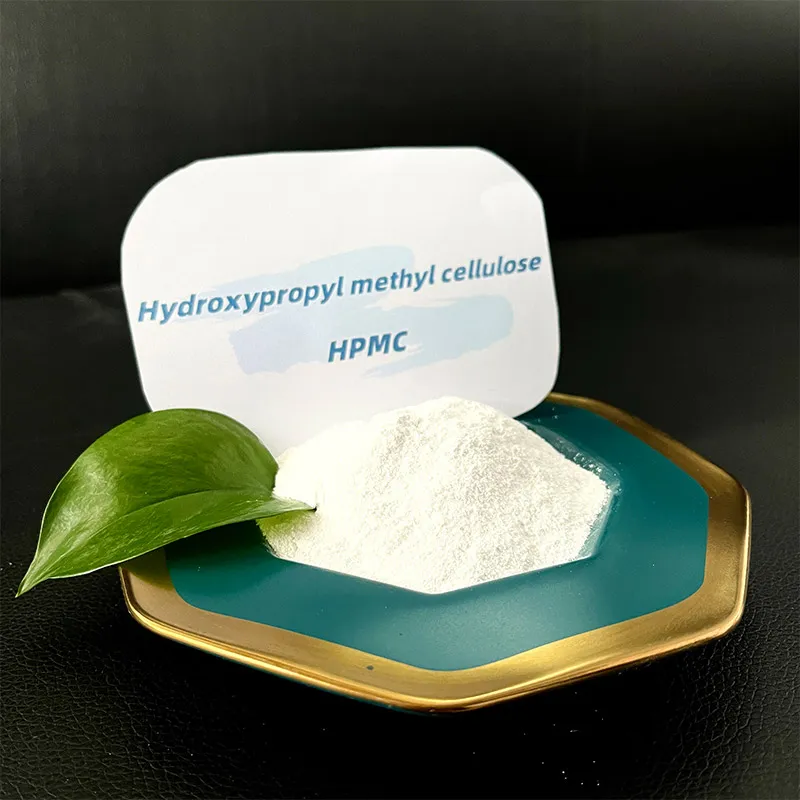

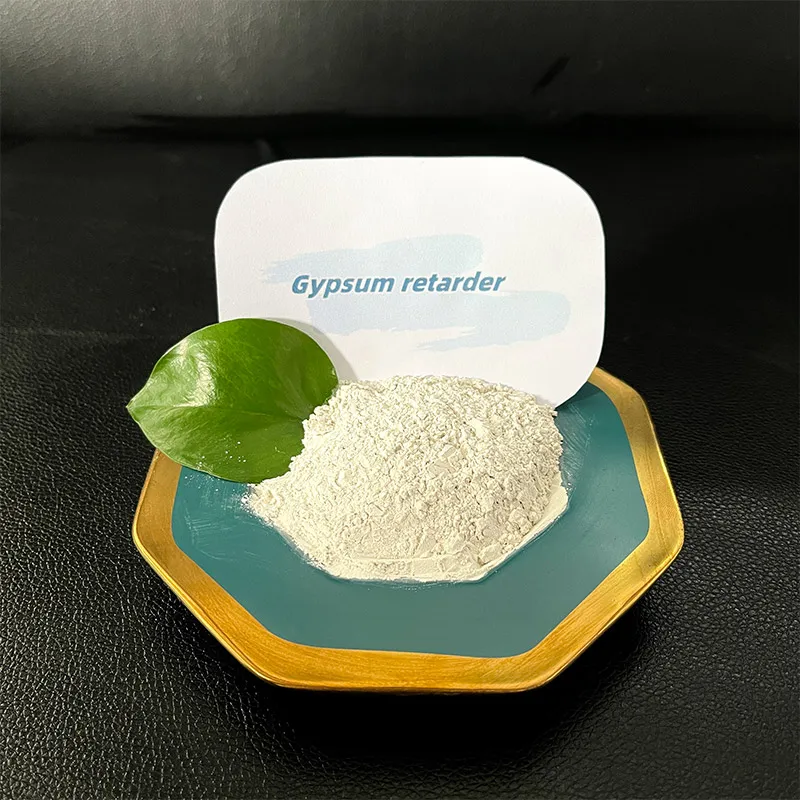
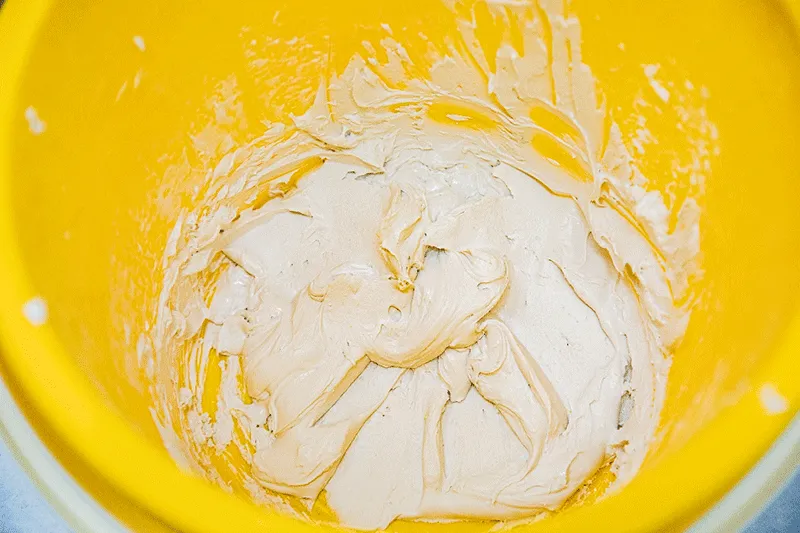


Hydroxy starch has emerged as a promising ingredient in various industries due to its versatile properties and potential benefits . Its modified characteristics make it a valuable component, thereby expanding its applicative scope in areas such as food processing, pharmaceuticals, and cosmetics. Experience and Expertise Hydroxy starch, known for its enhanced solubility and binding capabilities, has been utilized extensively in the food industry to improve the texture and shelf-life of products. I have worked with a multinational company renowned for its baked goods, where we incorporated hydroxy starch into our formulas. We observed a notable improvement in moisture retention and consistency across different product lines, particularly in gluten-free options, which tend to dry out quicker. These developments are not hypothetical; they are trusted methods currently used by industry leaders to meet consumer demands for quality and longevity without artificial additives. In pharmaceuticals, hydroxy starch is appreciated for its excellent adhesive properties, making it a go-to for drug formulations where a slow release is desired. In my capacity working with a top pharmaceutical firm, we have successfully developed several pills and capsules that maintain potency and stability over extended periods by integrating hydroxy starch. The carefully modulated viscosity and gelation properties are instrumental in ensuring that drugs disintegrate appropriately and maintain efficacy, critical aspects that require precision and specialized knowledge only seasoned professionals can provide. Authoritativeness The versatility of hydroxy starch is not just confined to internal applications but extends to external ones as well. Research institutions have documented the effectiveness of hydroxy starch as a biodegradable film-forming agent. Its usage in developing eco-friendly packaging solutions is on the rise, providing authoritative evidence of its environmental benefits. Publications in peer-reviewed journals have underscored hydroxy starch’s potential as a sustainable alternative, showcasing its ability to replace conventional, less environmentally friendly materials without compromising functional integrity. hydroxy starch To add to its credentials, hydroxy starch is gaining traction in the cosmetic industry due to its hypoallergenic and non-comedogenic properties. Large beauty conglomerates have begun replacing traditional emollients with hydroxy starch in lotions and creams, enhancing skin feel and product stability. Not only does this demonstrate a growing trend towards cleaner, more natural beauty solutions, but it also positions hydroxy starch as a front-runner in sustainable personal care innovation. Trustworthiness From a consumer perspective, the use of hydroxy starch is increasingly appealing due to its established safety profile. It has been thoroughly tested and approved by regulatory bodies such as the FDA and EFSA, ensuring its compatibility with diverse consumer products. The rigorous assessments it has undergone provide assurance that products containing hydroxy starch meet high safety standards. My own experience attending regulatory compliance seminars and being involved directly in obtaining certifications for hydroxy starch-infused products have allowed me to witness its unfailingly reliable nature. Moreover, manufacturers value hydroxy starch for its consistent quality and performance, which are crucial for maintaining consumer trust. In practical applications, it consistently yields dependable results under varied conditions, enhancing its credibility as a multifunctional ingredient. Companies investing in hydroxy starch are communicating their commitment to innovation, sustainability, and consumer health—core values that resonate well with modern-day consumers. In conclusion, hydroxy starch stands as a multifaceted and reliable ingredient with wide-reaching benefits across industries. Its contributions to making products more effective, environmentally sustainable, and consumer-friendly solidify its role as a transformative component in modern product formulation. Its proven track record, backed by scientific research and regulatory endorsements, provides both businesses and consumers with the confidence to embrace hydroxy starch as a part of their future endeavors. Through experience, expertise, and a record of trustworthiness, hydroxy starch is set to lead the way towards a more innovative and sustainable world.
- 40000tons

Production
- 20+years

Experience
- 5000+㎡

Acreage

-
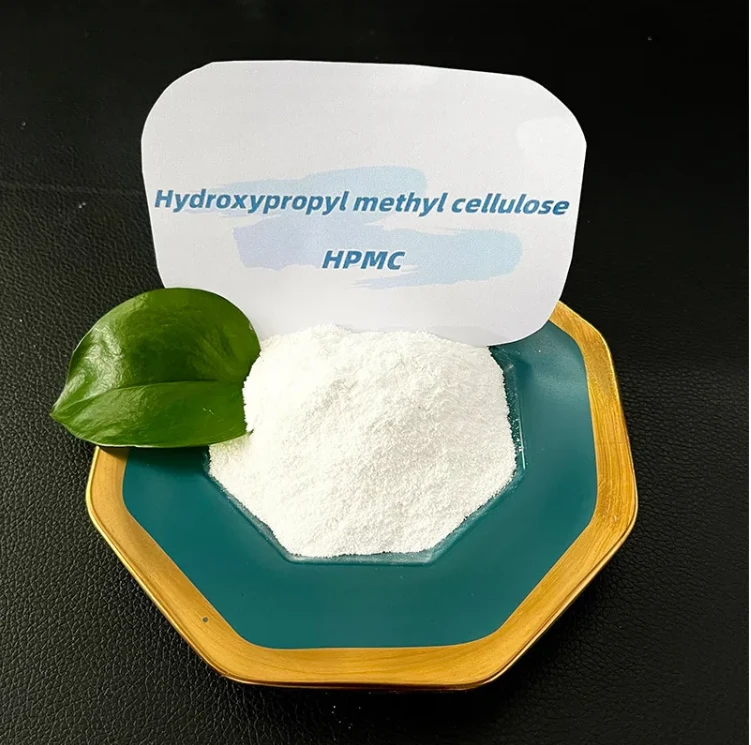
Hydroxypropyl methylcellulose (HPMC) is a versatile, eco-friendly ingredient . This cellulose derivative is known for its exceptional performance in construction. Its unique properties, such as water retention, adhesion, and thickening ability, make it an essential component for improving the quality and durability of products. Whether you're working on building materials, tile adhesives, or wall coatings, hydroxypropyl methylcellulose can elevate the performance and efficiency of your materials. Discover the many benefits of hydroxypropyl methylcellulose and see how it can enhance your business operations. Hydroxypropyl Methylcellulose Uses in Construction In the construction industry, hydroxypropyl methylcellulose uses are critical to improving the quality and performance of building materials. HPMC is widely used in cement-based products such as tile adhesives, plaster, and grout due to its excellent water retention, enhanced workability, and extended open time. By incorporating hydroxypropyl methylcellulose into your construction materials, you can improve adhesion, reduce cracking, and increase the durability of your products. Hydroxypropyl methylcellulose uses in construction also include its role as a binder and thickener in paints and coatings, where it helps create a smooth, consistent finish. Enhance your construction projects with the superior properties of hydroxypropyl methylcellulose . Find the Best Hydroxypropyl Methylcellulose Price for Your Budget When looking for hydroxypropyl methylcellulose price , it’s important to find a supplier that offers high-quality products at competitive rates. The hydroxypropyl methylcellulose price can vary depending on the grade, quantity, and application, but you can trust us to provide transparent pricing that fits your budget. Our prices reflect the quality and reliability of the material, ensuring that you get the best value for your investment. Whether you need small quantities or large volumes, we offer affordable solutions without compromising on quality. Contact us today to learn more about our hydroxypropyl methylcellulose price and how we can support your projects. Reliable Hydroxypropyl Methylcellulose Suppliers for Your Needs Finding trustworthy hydroxypropyl methylcellulose suppliers is crucial for ensuring the success of your projects. As one of the leading hydroxypropyl methylcellulose suppliers , we provide a wide range of high-quality HPMC products designed to meet the diverse needs of various industries. Our hydroxypropyl methylcellulose is sourced from reputable manufacturers and undergoes rigorous quality control to ensure consistency and performance. Whether you're in construction, pharmaceuticals, or another industry, we are your go-to partner for reliable, top-grade HPMC. With our fast delivery, competitive pricing, and expert customer service, we make sourcing hydroxypropyl methylcellulose easy and hassle-free. Why Choose Us for Your Hydroxypropyl Methylcellulose Needs? When it comes to hydroxypropyl methylcellulose , you need a supplier you can trust. We are committed to providing the highest quality HPMC products at the best hydroxypropyl methylcellulose price . Our expertise in the field ensures that we meet the specific requirements of our customerss. As leading hydroxypropyl methylcellulose suppliers , we offer a wide range of grades to suit your needs, backed by excellent customer support and fast, reliable shipping. Choose us for all your hydroxypropyl methylcellulose requirements and experience the difference in quality, price, and service.
-
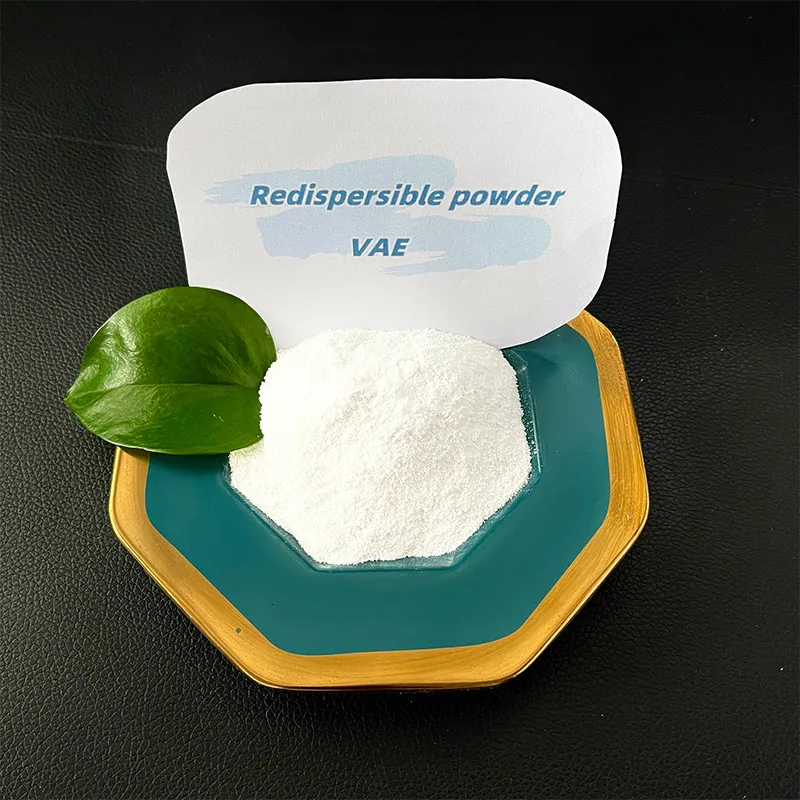
Rubber powder coating has quietly risen to prominence in the coating industry, capturing the interest of manufacturers and DIY enthusiasts alike. Its increasing popularity stems from its remarkable ability to provide a durable, protective layer with a unique set of properties that traditional coatings fail to offer. This article delves into the technicalities, benefits, and applications of rubber powder coating, shedding light on why it’s becoming a go-to choice in diverse sectors. Rubber powder coating combines the resilient and flexible properties of rubber with the robustness of a powder coat . Unlike liquid coatings which rely on solvents and VOCs (volatile organic compounds), rubber powder coatings are applied in a dry powder form and cured under heat or with ultraviolet light, allowing for a safer and more environmentally friendly process. This method not only reduces harmful emissions but also minimizes waste, which is an attractive advantage in today’s environmentally conscious market. From an expert's perspective, one of the standout features of rubber powder coating is its elasticity. This means that the coating is capable of expanding and contracting without cracking, making it particularly beneficial in environments subject to extreme temperature variations or mechanical stresses. The elastic nature ensures a continuous and protective barrier even when the substrate underneath is in constant motion. In terms of applications, rubber powder coating is incredibly versatile. It finds use in automotive and marine industries where its resistance to abrasion and corrosion is highly valued. The coating effectively protects metal surfaces from rust and pitting, extending the lifespan of components like vehicle underbodies and marine hardware. Moreover, the construction industry utilizes rubber powder coatings for tools and equipment that face wear and tear, leveraging its anti-slip properties to enhance safety. The application process of rubber powder coating further contributes to its growing popularity. It can be applied at varying thicknesses to suit different performance needs without compromising on quality. Lower thicknesses are optimal for projects requiring finesse, while higher builds offer superior protection for heavy-duty applications. This flexibility allows businesses to tailor their approach based on specific requirements, optimizing both performance and cost-efficiency. rubber powder coating Adding to its list of advantages, rubber powder coatings are available in a multitude of colors and finishes, which widens its appeal for aesthetic applications. From homeware to consumer electronics, its potential to offer both protection and style makes it a preferred choice among manufacturers looking to innovate product design without sacrificing quality. In reinforcing trustworthiness, manufacturers and applicators of rubber powder coatings emphasize rigorous quality control standards and thorough testing to ensure each batch meets stringent performance criteria. Customers are assured of receiving reliable and consistent products that meet or exceed industry standards. Furthermore, adherence to environmental regulations and sustainable practices in production processes bolsters the credibility and authority of companies in this market. Finally, the ease of maintenance associated with rubber powder coatings cannot be overlooked. Its seamless finish makes it resistant to dirt and contaminants, and should cleaning be necessary, the surface can be easily wiped down with minimal risk of damage. This attribute is particularly appealing in high-traffic areas or environments where hygiene is paramount. In essence, rubber powder coating represents a fusion of innovation and practicality. Its amalgamation of elasticity, environmental compatibility, and customization potential positions it as the future of protective coatings. By integrating these features, industries stand to not only enhance product longevity and performance but also align with the growing trend towards sustainable solutions. As the market evolves, the role of rubber powder coating will undoubtedly expand, paving the way for further innovations that meet the demands of tomorrow’s challenges.
advantages
-

200000 Viscosities
Excellent product
We can produce pure products up to 200,000 viscosities
-

40000 tons
High yield
We don’t stop production all year round, and the annual output can reach 40,000 tons
-

24 hours
Quality service
We provide 24-hours online reception service, welcome to consult at any time
———— Inquiry Form
Schedule A services

-
 china_hpmc-hydroxypropyl_methyl_cellulose_manufacturer
Oct . 25, 2025
The rubber powder production line is a revolutionary method for recycling used tires and rubber mate -
 hpmc_2910_vs_2208
Oct . 25, 2025
Navigating the complex world of nbr rubber powder reveals its immense benefits and transformative pr -
 wood_fiber_insulation_vs_cellulose
Oct . 25, 2025
HPMC dextran has garnered considerable attention in the field of pharmaceuticals and biomedical appl


